Lintels: What They Are, How They Fail, and When Replacement Is Needed
A lintel is the horizontal structural element installed above an opening in a wall, such as a window, door, garage opening, or archway. Its job is simple but essential: it carries the weight of the masonry, framing, or other material above the opening and transfers that load to the wall on either side. Without a sound lintel, the wall above an opening can crack, shift, or eventually become unsafe.
Lintels are often hidden from view. In brick veneer and cavity-wall construction, they may sit behind the outer brickwork. In older solid masonry buildings, they can be embedded within the wall and concealed by finishes, trim, or layers of previous repair. Because lintels are not always obvious, their condition is frequently overlooked until damage appears in the masonry around them.
What lintels are made from
The material used for a lintel depends on the building’s age, construction method, opening size, and intended load.
Steel is one of the most common lintel materials in modern masonry construction. Steel angle lintels are widely used above windows and doors in brick veneer walls because they are strong, relatively compact, and easy to install. Larger openings may use steel channels, beams, or fabricated assemblies.
Concrete lintels are also common, particularly in concrete masonry unit walls. They may be precast, cast in place, or reinforced with steel bars. Concrete can carry significant compressive loads, but its long-term performance depends on sound reinforcement, adequate cover, and protection from water.
Stone lintels are found in many historic structures. Granite, limestone, sandstone, and other durable stone types were used as solid pieces spanning openings. Stone can be extremely long-lasting, but it can crack when overloaded, deteriorate from moisture and freeze-thaw cycling, or become weakened by poor previous repairs.
Timber lintels are common in older buildings and in some traditional construction. Wood can perform well when it remains dry and protected, but it is vulnerable to rot, insects, and long-term movement when exposed to persistent moisture.
In some historic masonry walls, brick arches or relieving arches perform the work that a lintel would otherwise do. These arches redirect loads around an opening. Even when a steel lintel is present, a brick relieving arch may reduce the load placed directly on it.
How lintels degrade over time
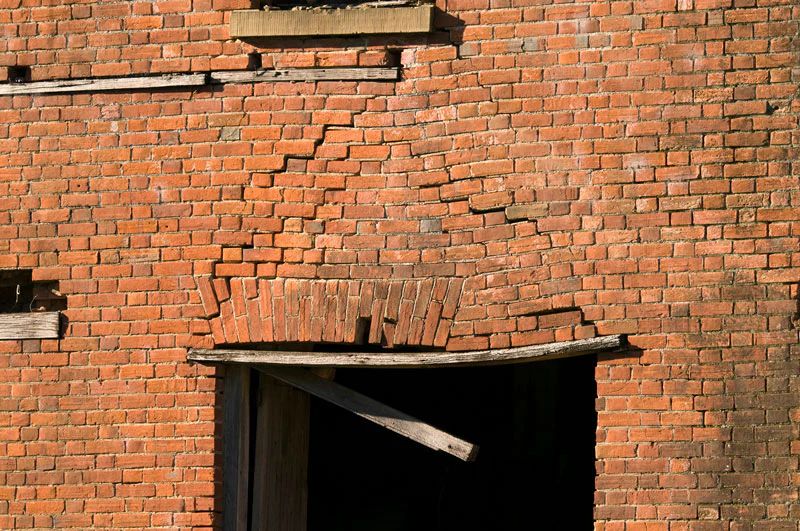
Water is the leading cause of lintel deterioration. Steel lintels corrode when moisture reaches the metal through cracks, failed mortar joints, missing flashing, leaking gutters, or unprotected wall tops. As steel rusts, it expands. That expansion pushes outward on the surrounding brickwork and mortar, often creating cracks, displacement, and visible bulging.
Corrosion is especially damaging in cavity walls because moisture can enter through the outer brickwork and remain near the lintel. A lintel that appears acceptable from the exterior may have substantial corrosion concealed behind the masonry. Once corrosion advances, the steel loses thickness and structural capacity while the expanding rust continues to damage the wall.
Concrete lintels can also deteriorate when water reaches embedded reinforcing steel. The reinforcement rusts, expands, and causes the concrete to crack or break away. Repeated freeze-thaw cycles may worsen the damage, particularly where water is trapped in cracks or poorly maintained joints.
Stone lintels may decay slowly through weathering, salt movement, moisture exposure, and freeze-thaw action. Softer stones can lose their surface, develop cracks, or separate along natural bedding planes. Timber lintels degrade when leaks or trapped moisture allow decay fungi or insects to attack the wood. In both cases, the material may lose strength long before the extent of the problem is obvious.
Poor repairs can accelerate lintel failure. Hard cement mortars used with softer historic brick or stone can trap moisture in the wall. Inadequate flashing, sealed weep holes, and cosmetic patching can conceal symptoms without addressing the source of water. Repointing alone cannot repair a corroded or structurally weakened lintel.
Signs a lintel may need replacement
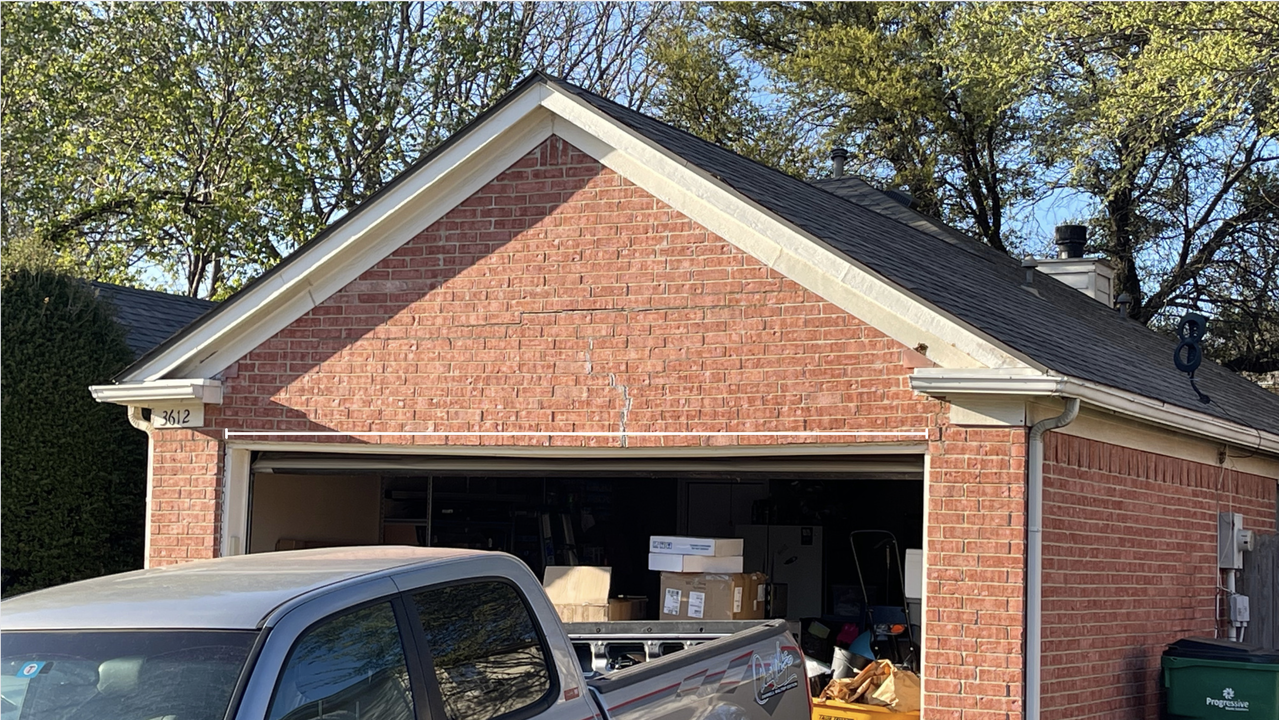
Cracking above the corners of a window or door is one of the most common warning signs. Cracks may run diagonally from the opening corners, follow mortar joints, or appear as stepped cracks through brickwork. While not every crack means the lintel has failed, cracking near an opening should be investigated.
Look for brickwork that is lifting, bowing, or separating above the opening. Rust staining, flaking brick faces, displaced mortar, or a visible gap between the lintel and surrounding masonry can also indicate corrosion. In severe cases, the brickwork may appear pushed upward by an expanding steel angle.
Other warning signs include sagging masonry, cracked or distorted window frames, doors that no longer operate smoothly, spalled concrete, rotted timber, or loose stone. Water staining near the opening, failed sealant, damaged flashing, and blocked weep holes should be treated as contributing conditions, even if the lintel itself is not yet visibly damaged.
Replacement is usually appropriate when a lintel has significant corrosion, cracking, loss of section, movement, or insufficient bearing at the ends. The decision should be based on a proper assessment of the wall, the opening, the loads above it, and the cause of deterioration. Replacing the lintel without correcting moisture entry can lead to the same failure again.
A qualified masonry restoration professional or structural engineer can determine whether repair, supplemental support, or full replacement is needed. Early investigation is the best way to protect the wall, preserve historic material where possible, and prevent a localized lintel problem from becoming a much larger masonry repair.