Transforming Masonry Restoration
Masonry restoration blends skilled handwork with tools and innovation. Whether the material is brick, stone, or historic mortar, the goal is to repair damage while preserving as much original fabric as possible. Today’s tools help conservators document buildings more precisely, remove failing material carefully, and choose repairs that suit the structure.
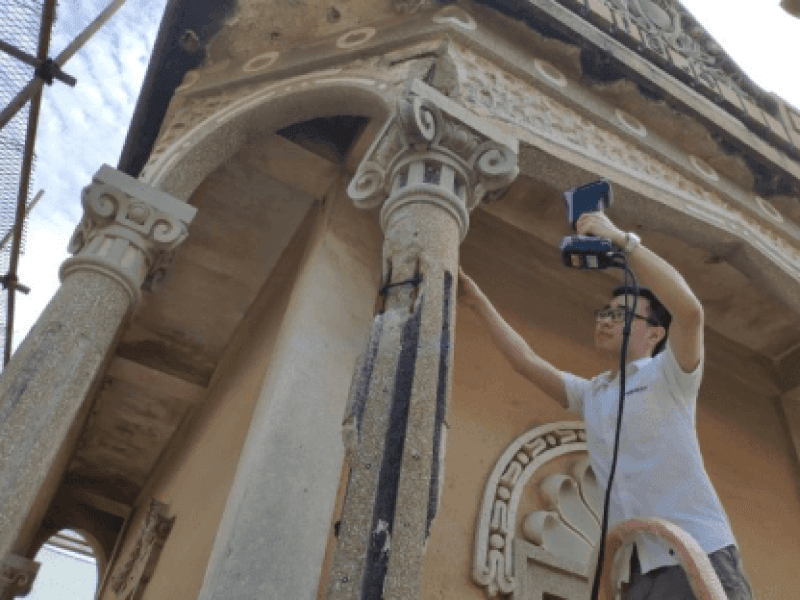
Digital surveys provide a clearer starting point. Laser scanners record a building’s surfaces as dense three-dimensional point clouds, while photogrammetry uses overlapping photographs to create measurable 3D models. Together, these methods can document bulges, cracks, missing units, and irregular walls before work begins. The record can guide repair plans and provide a baseline for monitoring future movement. Historic Environment Scotland describes a system that combines scanning and photography to model façades and help identify defects and estimate repair materials. Read about its masonry mapping tool.
Careful mortar removal remains essential. For repointing, conservators use hand chisels, small hammers, and purpose-made joint raking tools to remove deteriorated mortar without damaging brick or stone edges. Dust-controlled power tools can help on suitable masonry, but their use depends on the material and the joint. Guidance from the U.S. General Services Administration emphasizes damage-free mortar removal and setting limits on how deeply joints should be raked. See GSA’s repointing guidance.
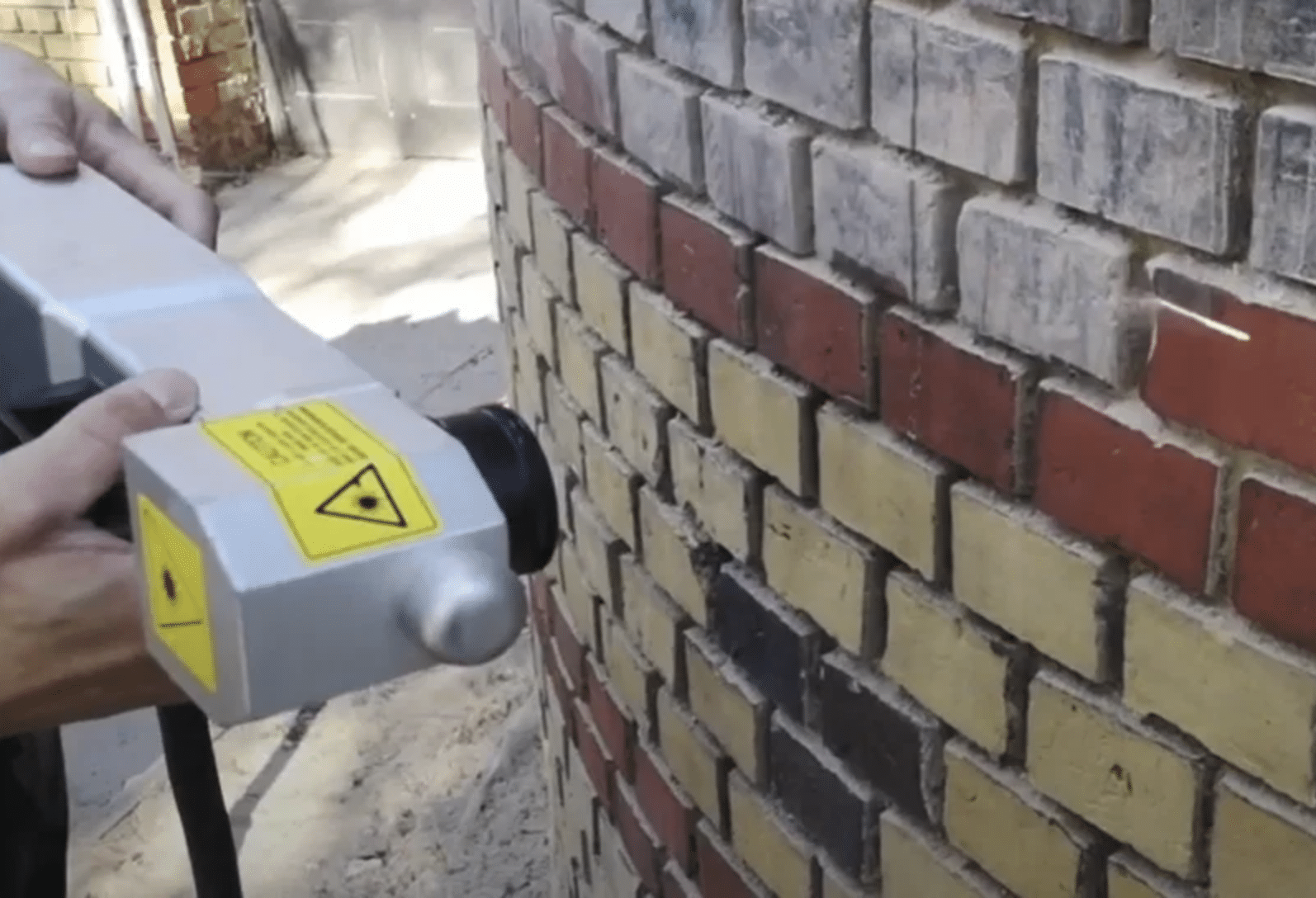
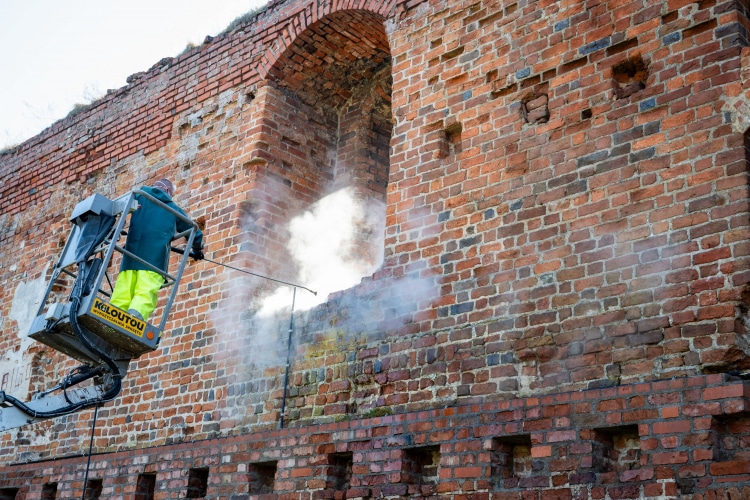
Cleaning technology is becoming more precise. Low-pressure steam and other controlled cleaning systems can remove some dirt and biological growth while limiting abrasion. Laser cleaning is another option: technicians adjust the beam to remove surface deposits from selected materials. It can be useful for delicate or detailed areas, but it is not suitable for every stone, brick, coating, or type of soiling. Conservators typically test a small area first and compare the result with the project’s preservation goals.
Material analysis helps repairs last. Portable microscopes, moisture meters, and laboratory testing can help identify salt movement, water penetration, and the composition of existing mortar. This matters because a new mortar that is too hard or too impermeable can trap moisture and contribute to damage in softer historic masonry. Matching the original material’s behavior—not simply its color—helps the repair work with the wall.
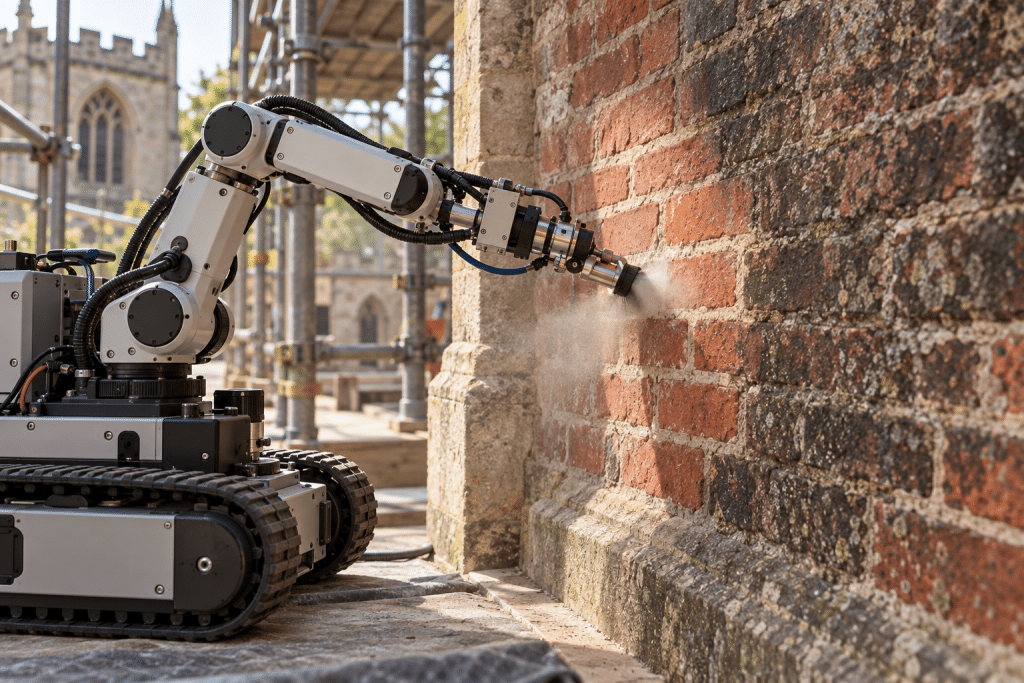
Robotics and digital fabrication are emerging. Research projects are exploring robotic systems that combine 3D models with guided mortar application, brick placement, and reconstruction. These methods may help with repetitive or hard-to-reach tasks, while digital models can help plan the work. They remain specialized tools: conservation judgment and careful human inspection are still central, especially where each stone or brick has unique features.
The most useful innovation is often a combination of methods. A 3D survey can locate a defect, material testing can explain its cause, and skilled hands can carry out a compatible repair. Technology supports good conservation when it helps teams make informed, measured choices.
Sources: Historic Environment Scotland, GSA, Historic England, and npj Heritage Science.