Cracks in Masonry: Why They Matter and What It Takes to Find the Real Cause
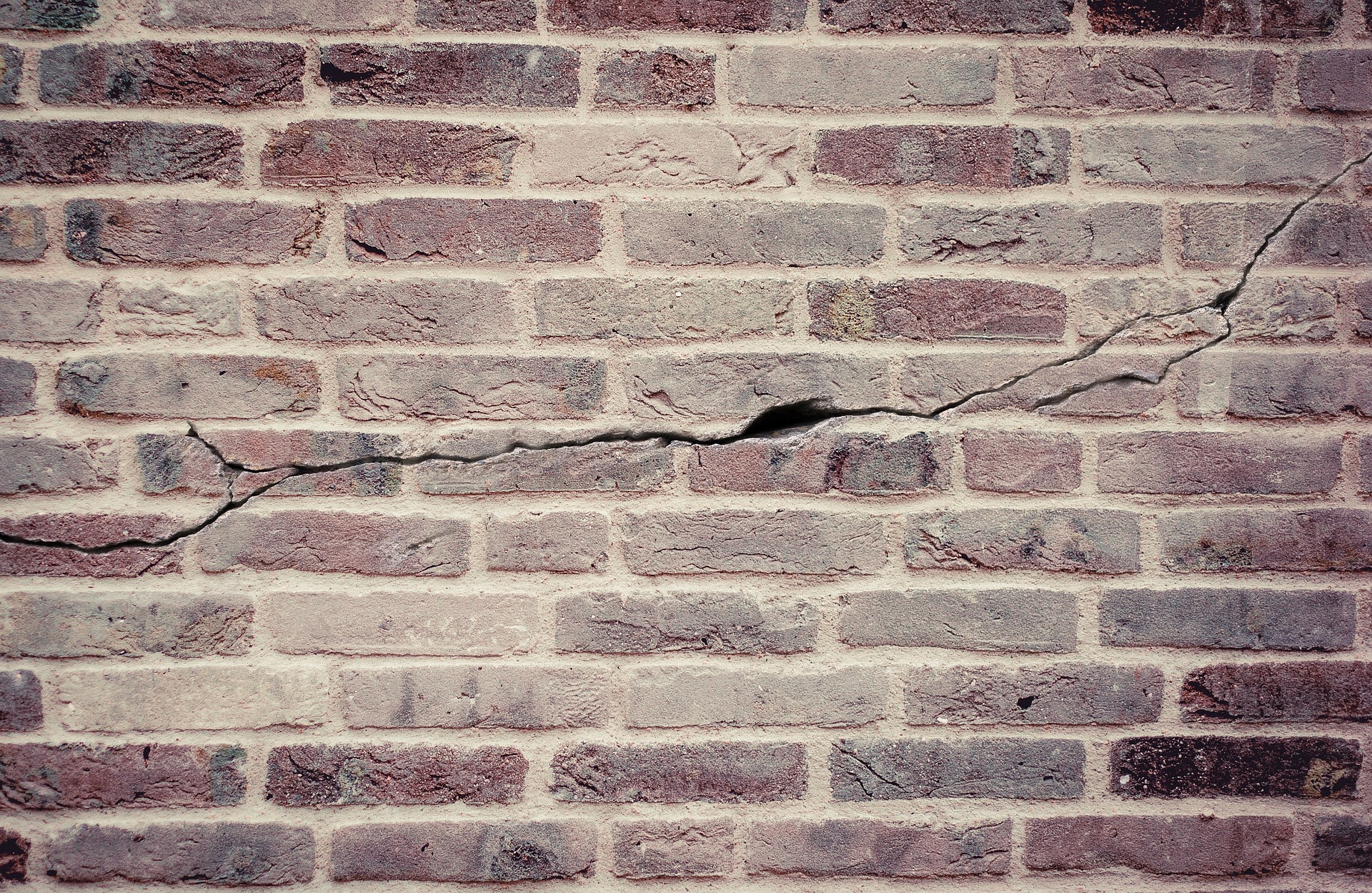
Cracks in brick, stone, and block masonry are common, but they should never be dismissed as merely cosmetic without understanding why they formed. A small crack near a window, door, parapet, chimney, or wall corner may be the first visible sign of movement, water damage, corrosion, or a hidden weakness within the wall. The crack itself is important, but it is often only the surface evidence of a problem that began out of sight.
Masonry walls are durable because their materials work together. Bricks or stone carry compressive loads, mortar joints accommodate small variations and movement, and wall components such as lintels, ties, flashing, and supports help the system perform as intended. When one part of that system deteriorates or moves, stress can concentrate in the masonry. A crack is frequently the wall’s way of revealing that stress.
What causes cracks in masonry?
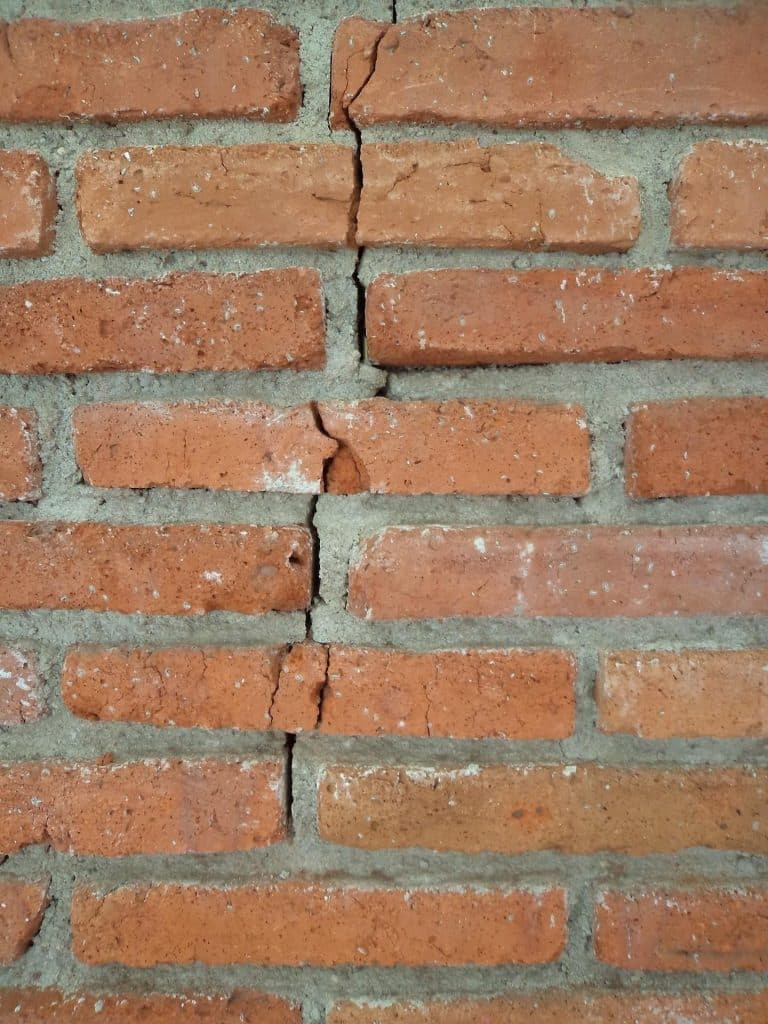
Many masonry cracks result from building movement. Foundations can settle unevenly, framing can deflect, and different materials can expand or contract at different rates. Seasonal temperature changes, moisture changes, and long-term loading can all contribute. In older buildings, these movements may have developed gradually over decades.
Water is another major cause. Rain can enter through damaged mortar joints, failed flashing, open cracks, deteriorated sealant, leaking gutters, or wall details that do not shed water properly. Once moisture enters a masonry wall, it can lead to freeze-thaw damage, mortar deterioration, salt deposits, and corrosion of concealed metal components.
Corroding steel is especially destructive. Steel lintels above openings, wall ties within cavity walls, and embedded reinforcing steel can rust when exposed to moisture. Rust occupies more volume than the original steel, so it expands and pushes against the surrounding masonry. This pressure can create stepped cracks, lifted brickwork, bulging walls, and separation around windows or doors.
Cracks may also result from inadequate support, overloaded openings, poor previous repairs, or construction defects. Hard mortar used in an older soft-brick wall can force moisture into the brick rather than allowing it to evaporate through the joints. Repointing, patching, or painting may make the wall appear improved while leaving the underlying condition untouched.
Why the true cause is often hidden
What you see on the exterior is not always where the problem began. A vertical crack may be caused by a corroding wall tie several inches behind the brick face. A stepped crack above a window may point to a deteriorated steel lintel concealed within the wall. A bulge may reflect trapped moisture, failed internal connections, or masonry that has separated from its backing.
This is why a visual review alone may not be enough. The pattern, location, width, direction, and progression of cracks all matter. So do the building’s age, wall type, exposure to weather, drainage details, and history of repairs. A knowledgeable assessment looks beyond the surface to determine how the wall was constructed and what conditions may be affecting it internally.
In some cases, close-up observation, moisture investigation, probing, selective removal of mortar, or localized opening of the wall may be necessary. The goal is not to remove masonry unnecessarily. It is to gather enough information to avoid making a repair based on assumptions.
Why covering a crack is not a repair
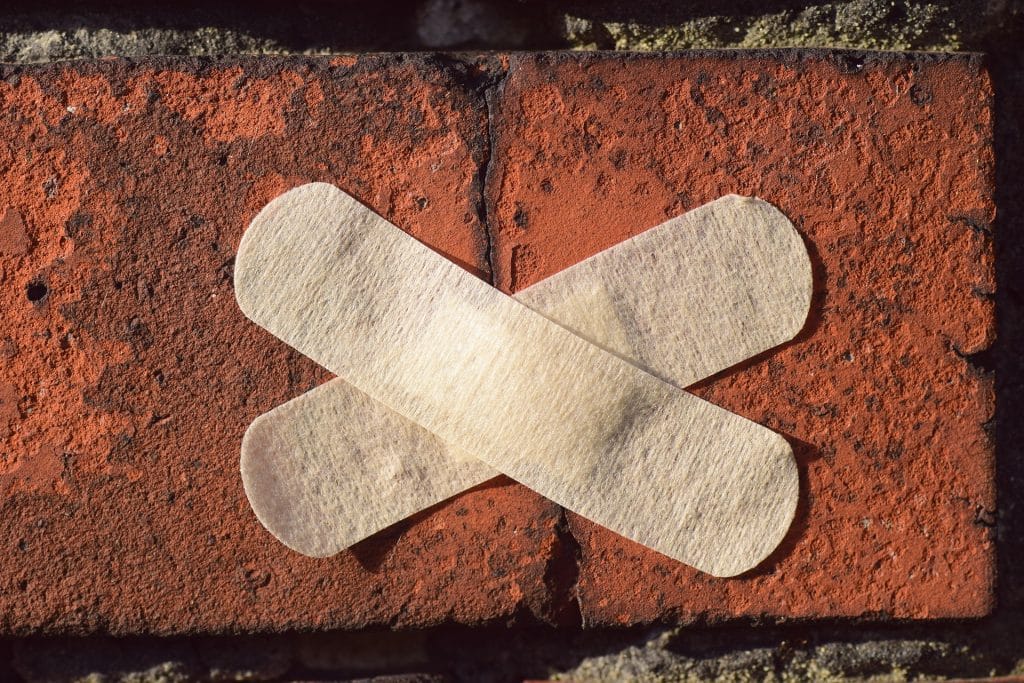
Filling a crack with mortar, sealant, caulk, or paint can improve appearance temporarily, but it does not correct the movement or deterioration that caused the crack. If the underlying condition remains active, the crack often returns. It may reopen in the same location, appear beside the patch, or worsen elsewhere.
Covering cracks can also make future investigation more difficult. Paint and waterproof coatings may trap moisture in the wall. Hard patching materials can damage adjacent historic brick or stone. A smooth cosmetic repair can hide subtle movement until a more serious failure becomes visible.
The right repair begins with diagnosis. Before repointing or patching, it is important to ask: Is the wall still moving? Is water entering? Is steel corroding? Has masonry lost support? Are there concealed components that need repair or replacement? Answering those questions first helps ensure that the visible repair is connected to a lasting solution.
When and how to get help
A crack deserves prompt professional attention when it is widening, recurring, accompanied by bulging or displaced masonry, located above an opening, associated with rust staining, or appearing near a chimney, parapet, retaining wall, or structural corner. Loose bricks, falling mortar, distorted windows or doors, and visible separation in the wall should also be treated seriously.
Start with a qualified masonry restoration professional who has experience diagnosing existing and historic masonry, not simply performing surface repairs. For signs of structural movement, significant displacement, or questions about load-bearing walls, a structural engineer with masonry experience should be involved. Depending on the issue, the team may also include a building envelope specialist, architect, or preservation consultant.
Provide clear photographs, note when the crack was first noticed, and document whether it changes over time. Avoid pressure washing, painting, sealing, or patching the area before it has been evaluated unless immediate stabilization is required for safety.
When rebuilding is necessary
Sometimes the only way to understand a problem fully is to carefully dismantle part of the wall. What looked like a minor crack may reveal severely corroded steel, broken wall ties, decayed backing material, failed flashing, or masonry that has lost its connection to the structure behind it.
Localized rebuilding allows the investigation team to expose the affected area, remove unsound materials, correct the hidden cause, and rebuild the masonry with proper support, drainage, flashing, and compatible materials. This may include replacing a lintel, installing new ties or anchors, rebuilding damaged brickwork, restoring weep paths, and repointing with an appropriate mortar.
That work can feel disproportionate when the original symptom was a small crack. However, addressing the full condition is often less costly and less disruptive than waiting for the damage to spread. A crack is not always an emergency, but it is always useful information. Understanding what the wall is trying to communicate is the first step toward preserving it properly.