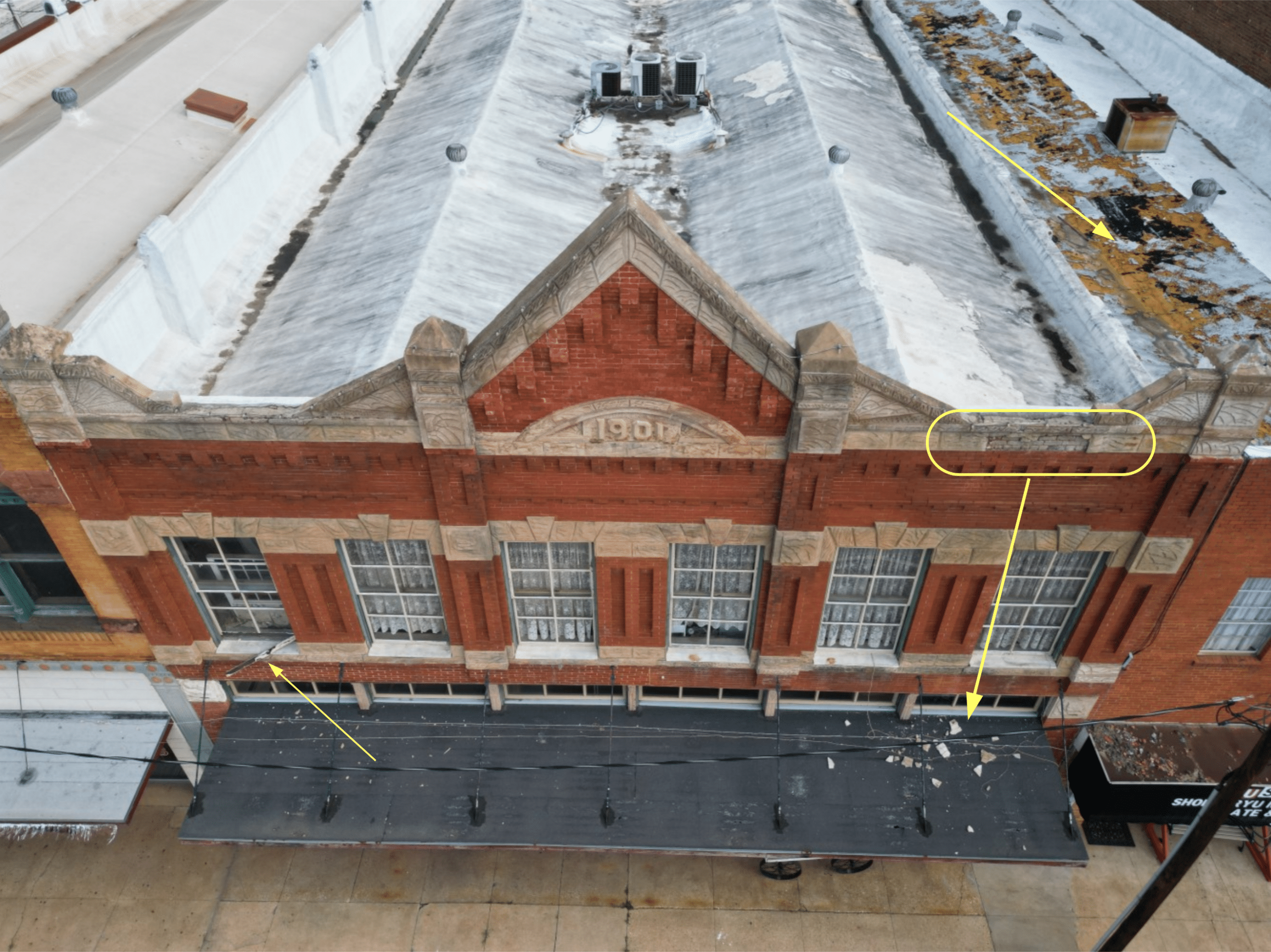
For nearly two years, I have relied on a drone as an invaluable tool for gaining crucial insights into masonry structures. This technology has allowed me to safely access hard-to-reach areas, reducing the need for expensive boom lifts and multiple personnel. Yet, when I addressed an audience at the World of Concrete and asked how many professionals in masonry restoration and structural surveys use drones, very few raised their hands. This revelation was surprising, given the efficiency and cost-effectiveness drones bring to the industry.
Why Aren’t More Professionals Using Drones?
Masonry restoration, building inspection, and historic preservation demand meticulous assessment of structures to identify deterioration, potential hazards, and necessary repairs. Traditionally, these inspections rely on scaffolding, boom lifts, and even manual visual assessments, all of which pose logistical and financial challenges. Despite the clear advantages of drone technology, adoption within the industry remains relatively low.
So, why the hesitation? Is it a lack of awareness? A resistance to new technology? Or simply an industry slow to change? Perhaps many professionals are unaware of how drones can transform their work, reducing costs, increasing efficiency, and enhancing safety.
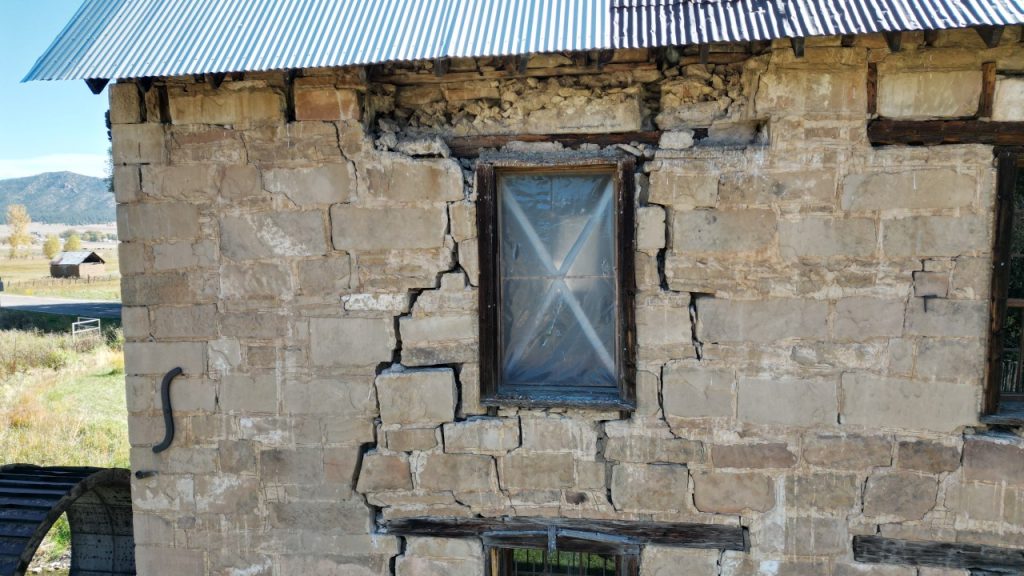
The Transformative Role of Drones in Masonry Restoration
The integration of drone technology into masonry restoration offers several key advantages:
- Unparalleled Accessibility: Drones can reach areas that are otherwise difficult or dangerous to inspect, such as towering facades, intricate cornices, and deteriorating parapets.
- Cost Savings: Traditional inspection methods often require renting heavy equipment and hiring additional personnel. Drones minimize these costs, making inspections more affordable and accessible.
- Enhanced Safety: With drones, inspectors no longer need to put themselves in precarious positions. Instead, they can remain safely on the ground while capturing high-resolution imagery and video of a building’s condition.
- Data Precision & Documentation: Drones equipped with high-definition cameras, thermal imaging, and LiDAR technology can provide highly detailed information about a structure’s integrity. This data can be archived for future comparison, aiding in long-term maintenance planning.
- Real-Time Decision Making: Engineers, architects, and historic preservationists can review live drone footage remotely, making collaborative assessments in real-time and expediting the decision-making process.
The Future of Drone Use in Masonry Restoration
As drone technology continues to advance and become more cost-effective, it is only a matter of time before it becomes a standard tool in masonry restoration. With automation, AI-driven image analysis, and improved battery life, drones will play a pivotal role in structural analysis, helping decision-makers conduct thorough inspections and ensure buildings remain safe and well-preserved.
To those in masonry restoration, engineering, architecture, and historic preservation: the future is here, and drones are at our fingertips. By embracing this technology, we can revolutionize the way we inspect, document, and maintain our built heritage. The question remains—will you be part of this transformation, or will you be left behind?