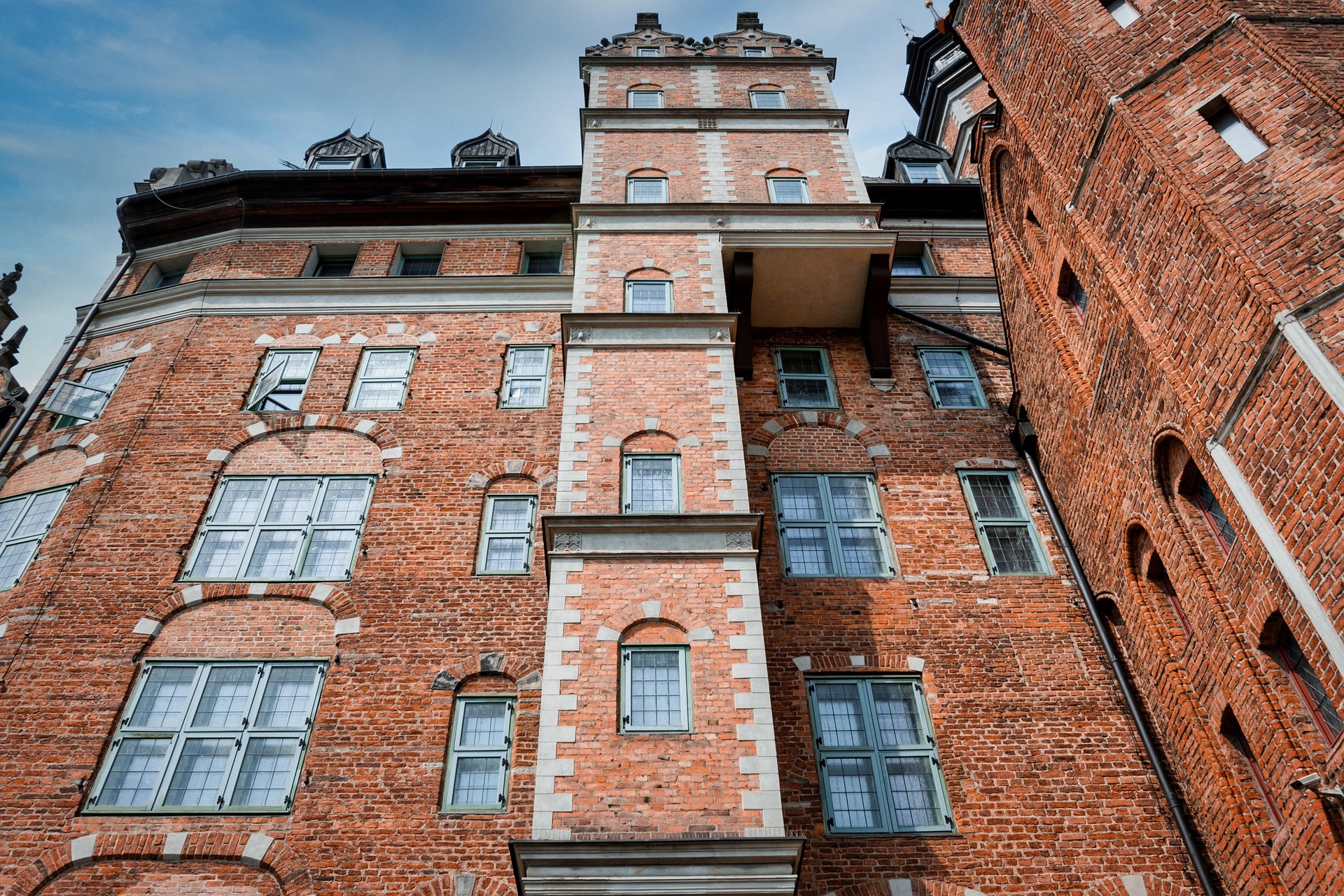
Masonry Restoration: A Shared Craft for the Next Hundred Years
Historic masonry restoration is often described as the work of a skilled mason, and that is true, but incomplete. It is actually a shared craft, contributed to by many experts. The repaired brick wall, limestone façade, stone courthouse, or terra-cotta cornice that people admire at the end of a project is the visible result of many kinds of knowledge brought together. Successful restoration depends on historians and preservation advocates, material suppliers and manufacturers, masons and conservators, engineers and architects, sustainability specialists, owners, public agencies, and the people training the next generation of craftspeople. Each depends on the others. When that collaboration works, masonry restoration can be efficient, beautiful, and durable enough to serve another century or more.
The work begins with understanding what a building is and why it matters. Historic societies, local historians, archivists, and preservation organizations help establish a building’s age, original appearance, construction history, and role in community life. Their research can reveal whether a wall has been altered, where its materials came from, and which details should be retained. That knowledge gives a restoration team more than an aesthetic target: it helps them avoid erasing the evidence that makes a place authentic.
Architects and preservation professionals translate that history into a practical plan. They document existing conditions, distinguish superficial staining from structural distress, and identify the least invasive path forward. Engineers join the effort when masonry movement, settlement, moisture, wind loads, seismic concerns, or failing lintels and anchors require investigation. Their role is not to make an old building behave like a new one; it is to understand how the existing structure works and help it remain safe while retaining as much historic fabric as possible.
At the heart of the project are the materials. Brick, stone, mortar, and terra cotta are not interchangeable products. Their strength, porosity, color, texture, and response to water must work together. In historic masonry, mortar is often intended to be the sacrificial part of the wall: it manages moisture and can be replaced before the brick or stone is damaged. A mortar that is too hard or impermeable can force moisture into softer historic units, causing cracking, spalling, and eventual failure. The National Park Service therefore emphasizes that compatible repointing mortar must be selected with the building’s masonry, exposure, condition, and the mason’s skill in mind. National Park Service, Preservation Brief 2
This is where suppliers, manufacturers, laboratories, and restoration specialists become essential partners. The team may need to locate salvaged brick, commission a compatible new brick, source regional stone, reproduce a special shape, or develop a lime-based mortar that matches the original in color, texture, composition, strength, and permeability. Material analysis can prevent well-intentioned but destructive repairs. The National Park Service notes that investigating original mortar helps preservation teams develop a compatible replacement, rather than relying on a generic modern mix. National Park Service
Then comes the mason’s craft. A skilled restoration mason reads a wall with trained eyes and hands: the depth of a failed joint, the hardness of brick, the profile of original tooling, the meaning of cracks, and the pace at which a lime mortar must cure. Repointing, rebuilding, cleaning, and replacing damaged units require patience as well as judgment. Good work does not call attention to itself. The repaired area should look at home within the larger building, while allowing the wall to shed water, move slightly, and age gracefully.
Sustainability experts add another dimension. Restoring and reusing an existing masonry building preserves the energy and materials already embodied in it, avoids much of the waste associated with demolition, and can support long-term energy improvements without sacrificing historic character. But sustainability is not achieved merely by adding a coating or a new product. An inappropriate waterproofing treatment, for example, can trap moisture in a historic wall. The most sustainable intervention is often the one that is compatible, repairable, locally maintainable, and designed for a long service life.
Training is the thread that holds this system together over time. Historic masonry skills are learned through apprenticeship, repetition, mentorship, and a willingness to understand old materials rather than overpower them with modern ones. Schools, unions, contractors, preservation programs, manufacturers, and experienced craftspeople all have a role in passing on this knowledge. Without new masons, technicians, architects, and engineers who understand traditional construction, even the best preservation plans cannot be carried out.
A lasting restoration is therefore not the achievement of a single expert. It is a chain of stewardship: research guiding design, design guiding material selection, material selection supporting craftsmanship, craftsmanship protecting the building, and training ensuring that knowledge continues. When every link is strong, historic masonry can remain not just standing, but useful, dignified, and beautiful for another hundred years—or more.