Challenges Facing the Masonry Repair Industry
Originally written by Alan Pettingale in 2009, this article examined troubling trends in masonry repair that demanded industry-wide attention. More than a decade later, those concerns remain highly relevant. Aging buildings, construction defects, limited repair expertise, and inadequate inspection practices continue to put property, public safety, and historic assets at risk.
The Overlooked Cost of Foundation Repair
Billions of dollars are spent each year in the United States on foundation repair—an investment comparable to the costs associated with flood, hurricane, tornado, and earthquake damage. Yet masonry restoration and preventive masonry maintenance receive far less attention.
This disconnect is significant. Foundation movement frequently affects the masonry it supports, resulting in cracking, displacement, water intrusion, and long-term structural deterioration. Foundation repair should therefore be accompanied by a thorough masonry inspection and, where needed, appropriate masonry repair.
Construction Defects in New Buildings
Masonry problems are not limited to older structures. Poor workmanship and inadequate quality control in new construction can cause serious damage within the first years of a building’s life.
Common issues include corroding wall ties, obstructed wall cavities, improperly installed flashing, and blocked weep systems in veneer walls. These defects trap moisture, prevent drainage, and accelerate deterioration. Early inspection and corrective work are essential before minor installation failures develop into major repair projects.
Historic Buildings Need Immediate Attention
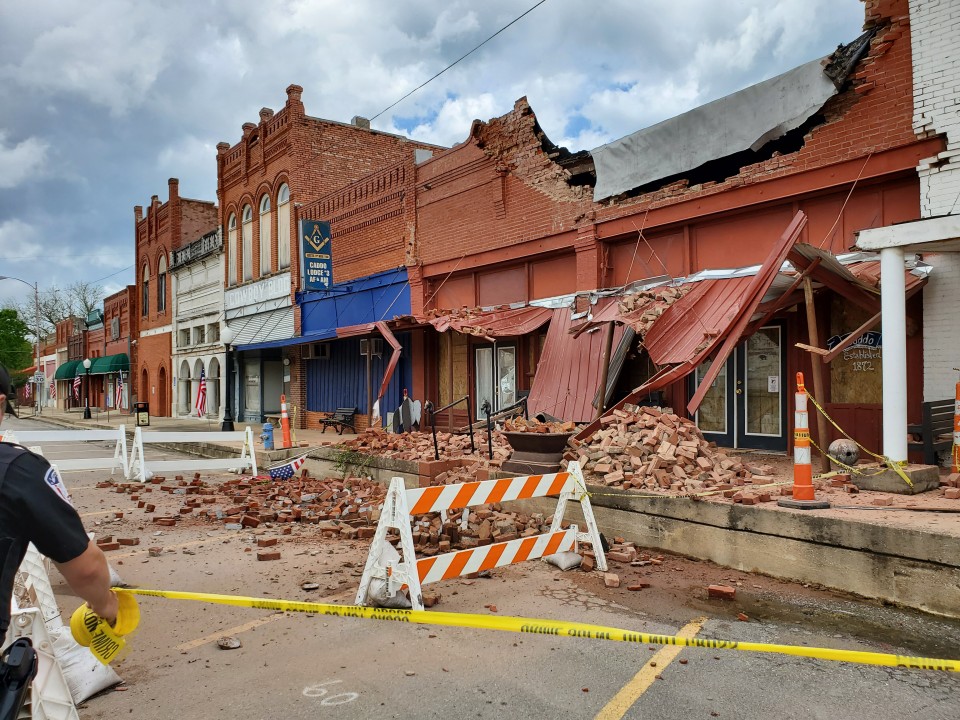
Historic buildings across the country are showing the effects of age, deferred maintenance, and environmental exposure. Communities investing in the revitalization of historic town squares, commercial districts, and civic buildings must also address the condition of their masonry.
Falling masonry, unstable parapets, deteriorated mortar joints, and weakened structural elements can present serious public-safety hazards. Preservation efforts must be supported by qualified assessments and repair programs that protect both the public and the historic character of these structures.
The Hidden Effects of Failing Masonry
Masonry failure can create consequences that are often attributed to other causes. Water intrusion through damaged walls may contribute to mold growth, interior damage, pest activity, and declining indoor conditions. Cracked or displaced masonry can also compromise energy performance and expose structural components to further deterioration.
Addressing the visible symptom without identifying the masonry-related source of the problem allows damage to continue.
A Growing Industry-Wide Problem
The masonry repair industry faces an expanding need for specialized knowledge, skilled labor, and effective repair standards. Many decision-makers lack a practical understanding of how masonry systems function, how they fail, and which repair approaches are appropriate.
As Professor Tom Grimm observed, the overwhelming majority of masonry research has historically focused on new construction. That imbalance underscores the need for more research, education, and field-tested methods focused on the repair and preservation of existing buildings.
The Importance of Education and Industry Leadership
Organizations such as The Masonry Society play an important role by connecting researchers, engineers, architects, contractors, and field practitioners. Stronger collaboration between theory and hands-on experience is essential to developing practical, economical, and durable masonry repair solutions.
Conclusion
The building industry must place greater value on preserving the structures already in service. From family homes to historic courthouses, churches, city halls, and town squares, existing masonry buildings represent substantial economic, cultural, and community assets.
The challenges facing the masonry repair industry require immediate attention: better inspection, better education, qualified repair professionals, and a long-term commitment to maintenance and preservation.