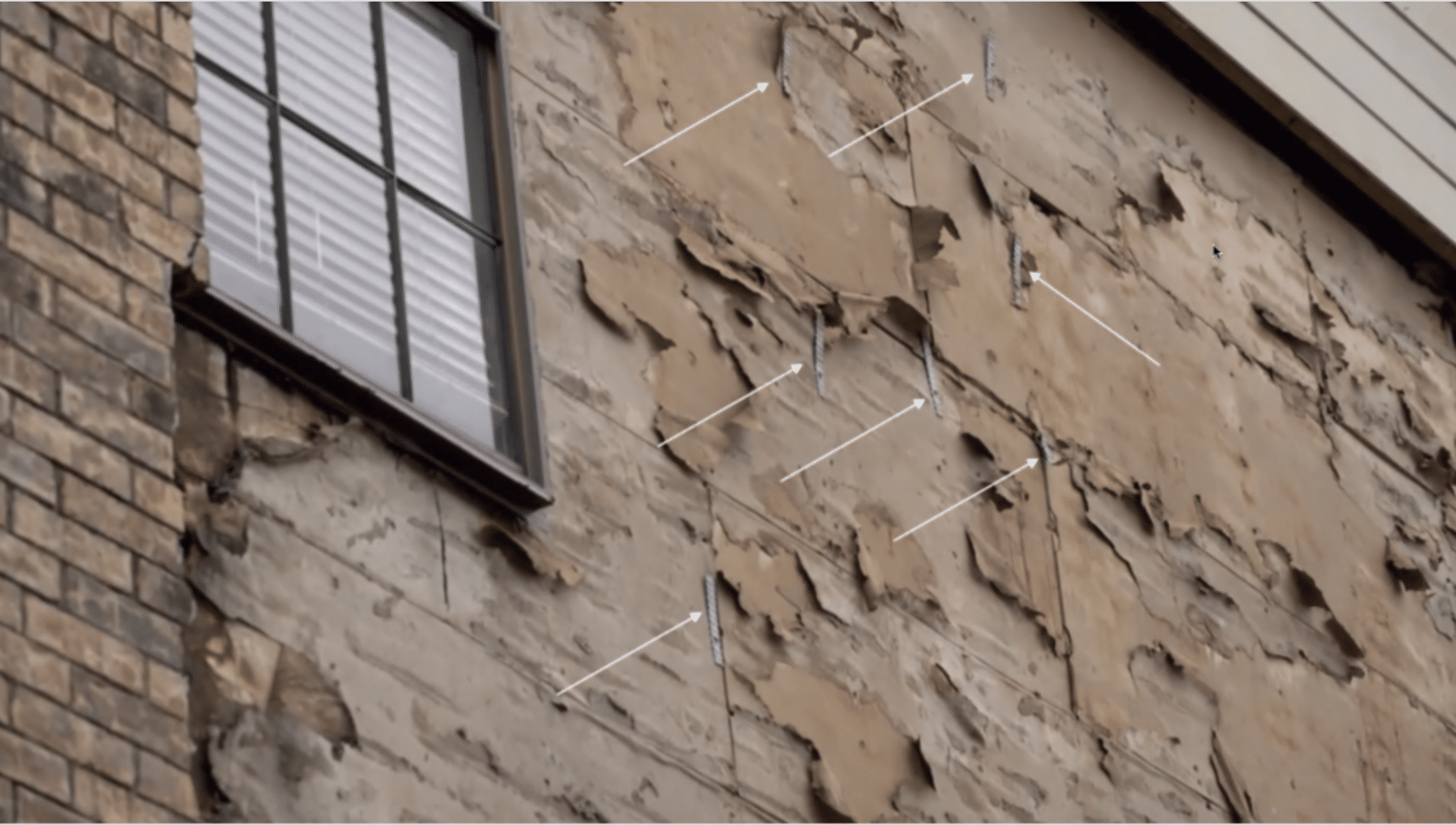
Everything you’re worried about is on the outside.
Everything causing the problem is on the inside.
That’s the reality of masonry failure, and it’s where the U.S. approach breaks down.
The Surface Lie
Cracks, bulging, staining.
That’s what gets attention.
That’s what gets photographed.
That’s what gets repaired.
But those are symptoms.
The Hidden System
Inside the wall is where the structure actually works:
- Wall ties holding veneer in place
- Steel lintels carrying loads
- Anchors restraining movement
- Cavities managing moisture
When those fail, the wall fails.
But you can’t see them.
The Problem With Visual Inspections
Most inspections are still surface-based.
Walk the building. Take photos. Write a report.
But here’s the problem:
You cannot diagnose internal failure from external observation alone.
Not reliably.
Not consistently.
Not safely.
What Gets Missed
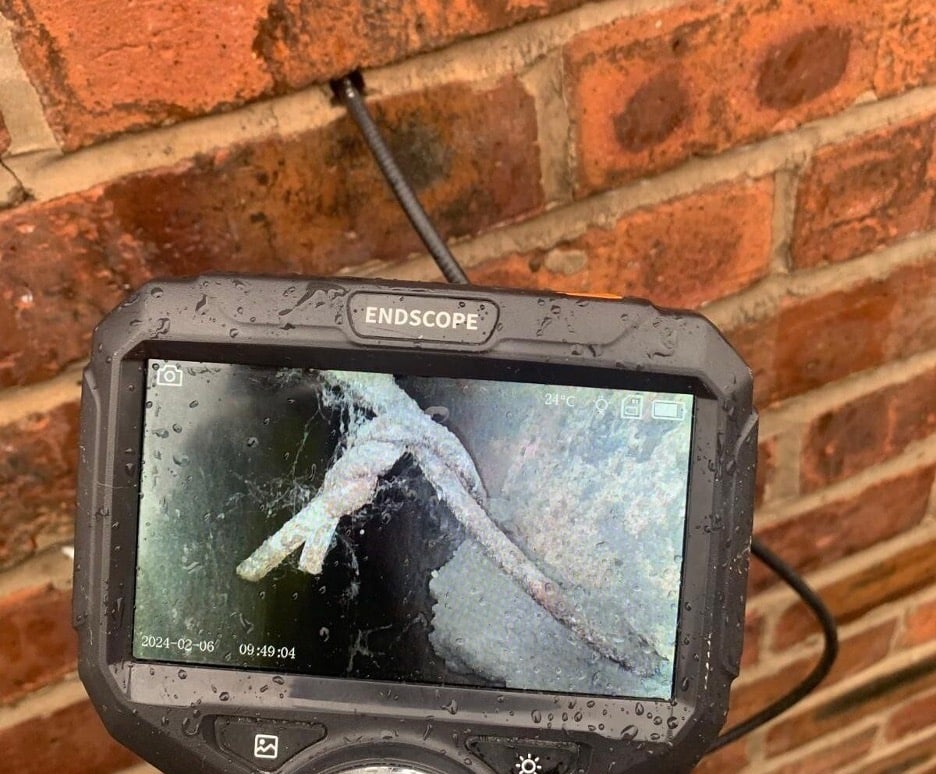
- Corroded wall ties reduced to nothing
- Steel lintels expanding and cracking masonry
- Water trapped behind the facade
- Cavity bridging allowing moisture transfer
All hidden.
All active.
The Tools Exist, But Aren’t Used Enough
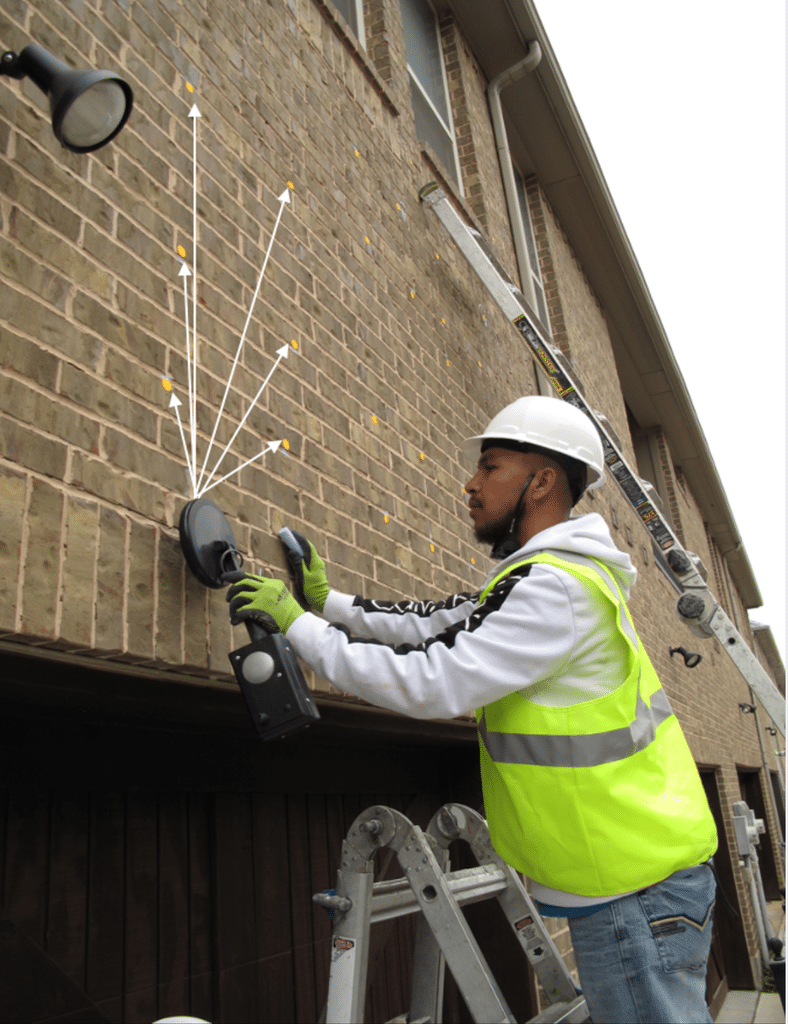
We now have:
- Endoscopes
- Metal detectors
- Thermal imaging
- Non-invasive scanners
Yet they are rarely standard practice.
Why?
Because there is no requirement.
This Is the Gap
No standard means:
- No obligation to investigate internally
- No consistency between reports
- No reliable baseline for decision-making
So again…
People guess.
What Needs to Change
A real standard would require:
- Internal inspection protocols
- Minimum investigation thresholds
- Verification of structural components
Until that happens…
We’re treating surfaces while structures fail.
Before repointing:
- Confirm the wall is stable
- Confirm no active structural failure
- Confirm no hidden corrosion
If not?
Repointing should not proceed.
This Is Not Opinion
This is basic structural logic.
You don’t repair symptoms.
You fix causes.