
Demands Expertise, Judgment, and Discipline
Historic masonry restoration is a specialized discipline, not a routine repair exercise. It requires the ability to assess aging structures, understand original construction methods, select compatible materials, and make technically sound decisions that protect both public safety and historic integrity.
For structural engineers, architects, and consultants, the work presents several defining challenges.
- Preserving Historic Significance
The objective is not simply to make a building look renewed. Restoration must retain the structure’s architectural character, material authenticity, and historical value. That requires a detailed understanding of period-specific masonry systems, mortars, finishes, and construction practices. Substituting modern materials or inappropriate methods can accelerate deterioration and permanently compromise the building’s significance.
- Responding to Environmental Conditions
Water, temperature change, salt exposure, drainage failures, and freeze-thaw cycles are among the principal causes of masonry deterioration. A successful restoration begins with identifying and correcting these underlying conditions—not merely repairing visible damage. Professionals must evaluate the building’s exposure, climate, drainage, and moisture movement to develop a durable solution.
- Resolving Complex Technical Conditions
Historic masonry often conceals structural and material deficiencies developed over decades or centuries. Cracked brickwork, failing mortar joints, displaced stone, corroded embedded steel, and weakened bearing walls require careful investigation and sound technical judgment. Each material—brick, stone, terra cotta, lime mortar, and others—responds differently to repair methods. Effective restoration depends on selecting compatible materials and techniques that preserve the wall’s ability to manage moisture and movement.
- Managing Cost Without Compromising Quality
Restoration projects require skilled labor, specialized materials, testing, and careful sequencing. These demands can make historic work more costly than conventional construction. However, cutting corners on investigation, material compatibility, or workmanship typically creates far greater costs later. Strong project management aligns budget, schedule, stakeholder expectations, and the long-term needs of the structure.
- Maintaining Rigorous Safety Standards
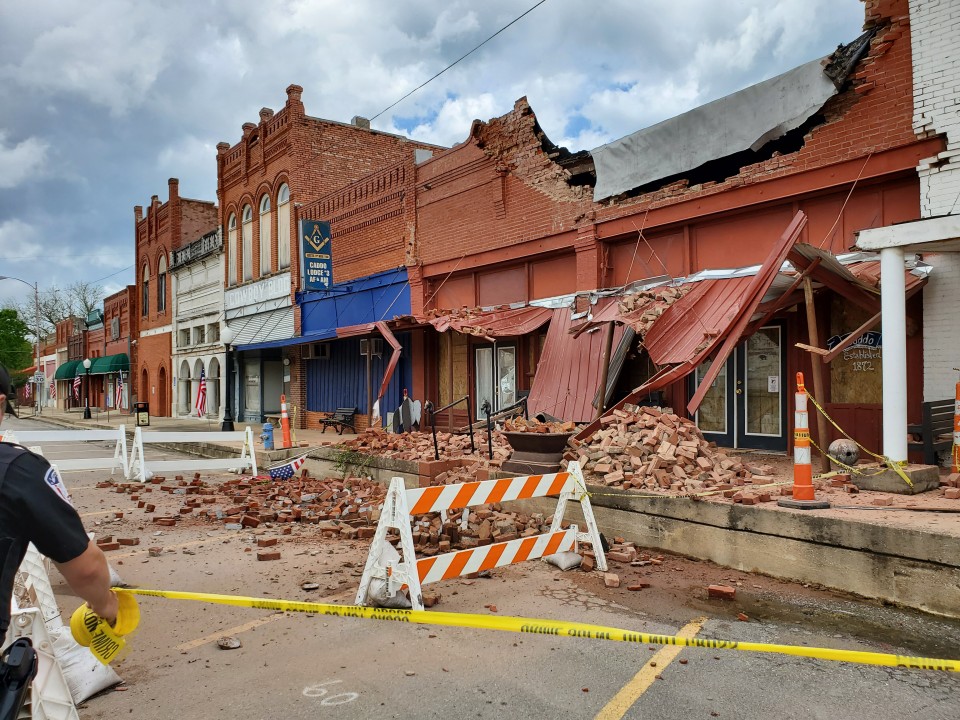
Many historic buildings present significant safety risks, including unstable walls, deteriorated masonry, concealed voids, and hazardous access conditions. Safety planning must be integral to the restoration process. Teams must understand applicable OSHA requirements, establish appropriate stabilization measures, and maintain disciplined jobsite controls throughout the work.
Historic masonry restoration requires more than technical knowledge. It demands respect for original craftsmanship, disciplined investigation, informed decision-making, and a commitment to long-term stewardship. When executed properly, it safeguards irreplaceable structures and ensures they remain serviceable, authentic, and valued for generations to come.