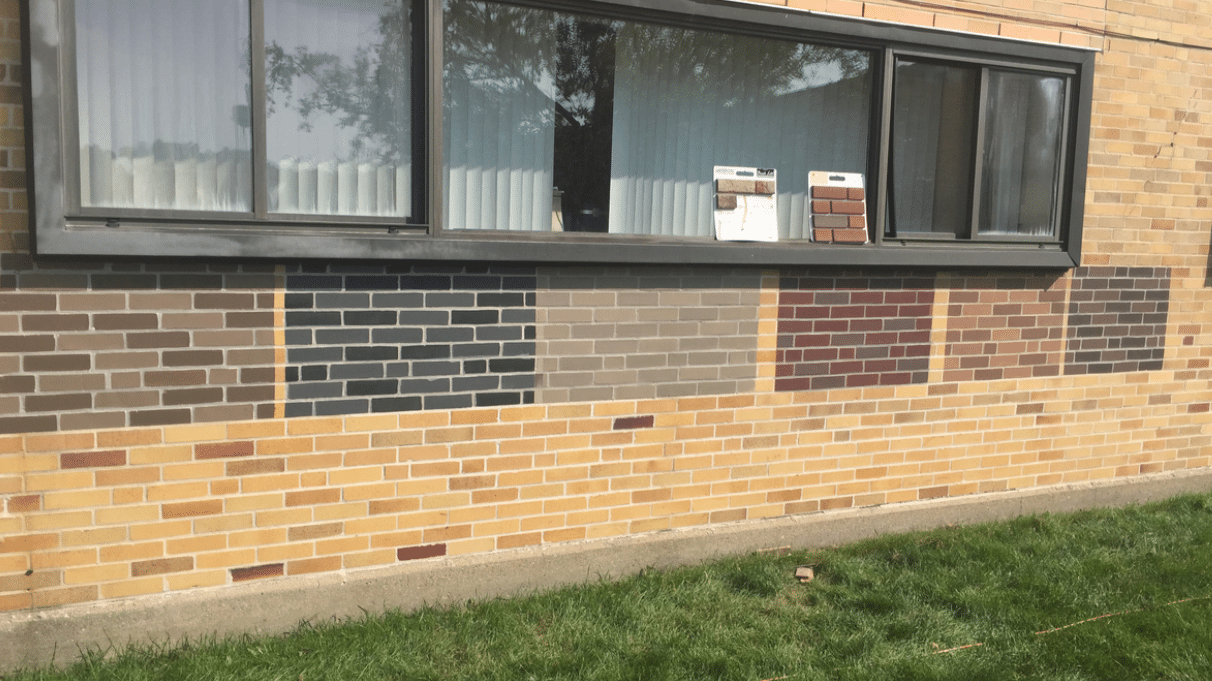
for Masonry Restoration, some Techniques and Benefit
Brick staining has become an essential technique in the realm of masonry restoration. Unlike painting, which creates an opaque layer on the brick surface, staining penetrates the brick, enhancing its natural appearance while allowing the material to breathe. This process is invaluable in maintaining the aesthetic integrity of historic buildings and blending repairs seamlessly with the original structure. In this article, we delve into the significance of brick staining, its application process, and the advantages it offers for masonry restoration projects.
Why Brick Staining Matters in Restoration
When restoring a historic building, maintaining its original character is paramount. Brick staining provides an effective way to:
- Blend New with Old: Repairs often involve replacing damaged bricks with new ones that may not match the existing brickwork. Staining ensures the new bricks harmonize with the original structure.
- Preserve Historic Integrity: For buildings under preservation guidelines, altering the appearance with paint is often prohibited. Staining offers a solution that enhances without obscuring the natural beauty of the material.
- Correct Color Variations: Over time, bricks can develop discoloration due to weathering, efflorescence, or previous repairs. Staining evens out these variations, creating a cohesive look.
The Brick Staining Process
Brick staining requires precision and expertise to achieve a lasting, natural finish. Here are the key steps:
- Surface Preparation:Clean the brick surface thoroughly to remove dirt, efflorescence, and any existing sealants or coatings. Power washing or chemical cleaning may be employed, depending on the brick’s condition.
- Color Matching:A critical step in restoration is ensuring the stain matches the original brick’s color. Technicians mix pigments to create a custom solution tailored to the project.
- Applying the Stain:Using brushes, rollers, or sprayers, the stain is applied in thin, even layers. Multiple applications may be necessary to achieve the desired depth of color.
- Sealing (Optional):Depending on the project, a breathable sealant may be applied to protect the brick while maintaining its porous nature.
Types of Brick Stains
Two primary types of stains are used in masonry restoration:
- Mineral-Based Stains:These stains bond chemically with the brick, making them highly durable and UV-resistant. They’re ideal for historic restoration as they maintain the natural appearance of the material.
- Water-Based Stains:These stains offer greater flexibility in color options and are easier to apply. However, they may not be as durable as mineral-based stains, particularly in harsh weather conditions.
Benefits of Brick Staining
Brick staining offers several advantages that make it a preferred choice for masonry restoration:
- Durability: Unlike paint, which can peel or chip over time, stains penetrate the brick, ensuring a long-lasting finish.
- Breathability: Stains allow moisture to escape from the brick, preventing issues like spalling and efflorescence.
- Cost-Effectiveness: Staining is often more affordable than replacing bricks or applying other surface treatments.
- Low Maintenance: Once applied, stained bricks require minimal upkeep compared to painted surfaces.
- Aesthetic Versatility: With custom color-matching capabilities, stains can recreate the appearance of aged or weathered bricks, preserving the building’s historic charm.
Challenges and Considerations
While brick staining offers many benefits, there are challenges to consider:
- Expertise Required: Achieving a natural, uniform finish requires skilled professionals with experience in color matching and application.
- Compatibility Issues: Not all bricks are suitable for staining. Porosity, surface coatings, and material composition can impact the effectiveness of the stain.
- Environmental Factors: Weather conditions during application, such as temperature and humidity, can influence the stain’s performance and drying time.
Conclusion
Brick staining is an invaluable tool in the arsenal of masonry restoration professionals. By enhancing the natural beauty of bricks, correcting color inconsistencies, and ensuring repairs blend seamlessly with original structures, staining helps preserve the architectural integrity of historic buildings. Whether for small repairs or large-scale restoration projects, brick staining provides a durable, cost-effective solution that meets both aesthetic and functional needs.