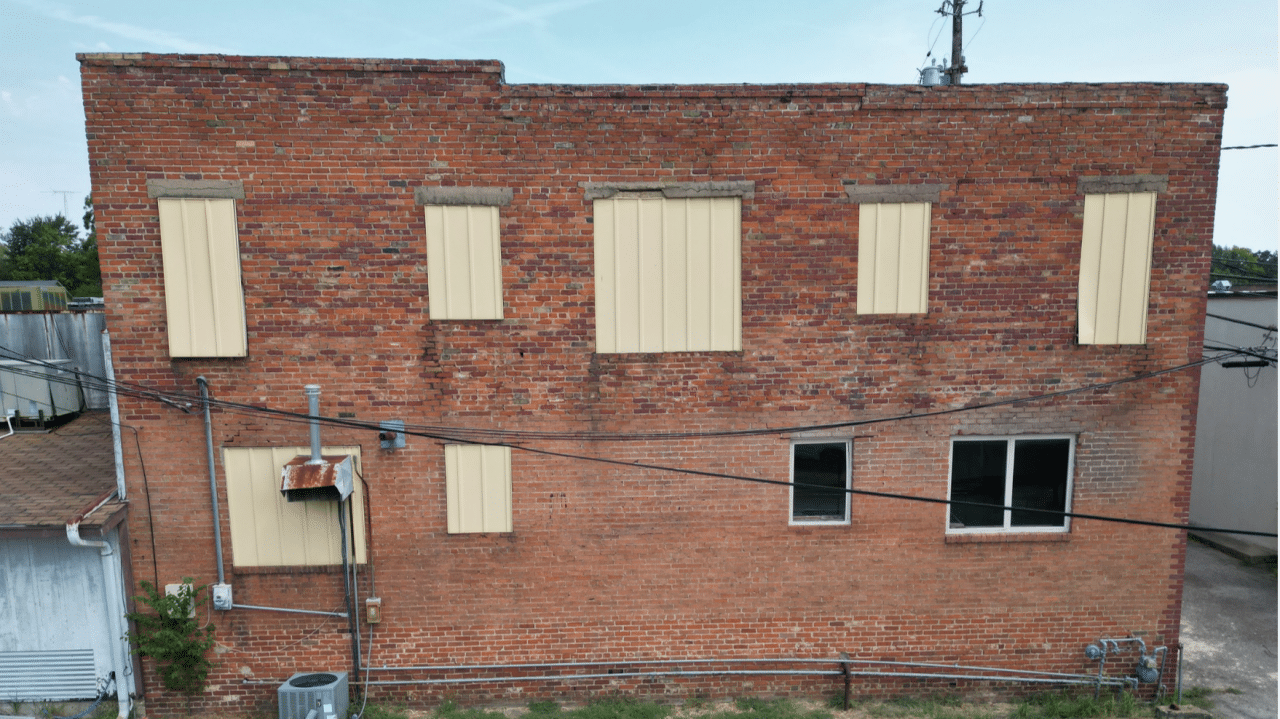
Big and Strong Until the Rebar Corrodes
Concrete has been a fundamental building material for centuries, often prized for its strength, versatility, and relative ease of production. In particular, concrete lintels, structural horizontal beams placed over doors, windows, and other openings, have been widely used in architecture, especially in the 19th and 20th centuries. These lintels were designed to carry the loads from above, distributing the weight and providing stability to the overall structure. When reinforced with steel bars (rebar), concrete lintels gained even greater strength and durability, allowing for larger spans and heavier loads.
However, despite their initial robustness, many historic concrete lintels have developed serious structural issues over time due to the corrosion of the embedded rebar. This deterioration, if left unaddressed, can severely compromise the integrity of both the lintel and the structure it supports. This paper explores the relationship between the durability of historic concrete lintels and the corrosion of rebar, shedding light on how once-strong architectural elements can become sources of instability.
The Role of Reinforced Concrete in Historic Lintels
Concrete itself has impressive compressive strength, meaning it can handle heavy loads without crushing or failing. However, it is relatively weak in tension—its ability to resist forces that pull it apart. To overcome this limitation, engineers have long reinforced concrete with steel bars (rebar), which are excellent at resisting tensile forces. By combining concrete’s compressive strength with the tensile strength of steel, the reinforced concrete lintel became a revolutionary structural element.
In the early 20th century, reinforced concrete began replacing traditional stone or wood lintels, particularly in modernist architecture and large-scale industrial and institutional buildings. These lintels were designed to be virtually indestructible, capable of bearing heavy loads for decades, if not centuries. However, the long-term performance of reinforced concrete lintels depends on both the quality of the materials used and the environmental conditions to which they are exposed.

The Process of Rebar Corrosion in Concrete
Although concrete is a highly durable material, it is porous, and this porosity allows moisture and other harmful agents to infiltrate it over time. Historic concrete lintels, especially those exposed to outdoor conditions, are vulnerable to water ingress. When moisture reaches the embedded rebar, a process called carbonation can occur. Carbon dioxide from the air reacts with calcium hydroxide in the concrete to form calcium carbonate, which lowers the pH of the concrete. In turn, this reduced alkalinity removes the protective oxide layer surrounding the steel rebar, making it susceptible to corrosion.
Once the rebar begins to corrode, several problematic effects can occur. First, rust (iron oxide) takes up more volume than the original steel, causing the rebar to expand. This expansion creates internal pressure within the concrete, leading to cracks and spalling (the breaking away of pieces of the concrete surface). As the concrete deteriorates, more moisture and oxygen can reach the rebar, accelerating the corrosion process and exacerbating the damage. Ultimately, the once-strong lintel weakens, and the overall load-bearing capacity of the structure is reduced.
Consequences of Rebar Corrosion in Historic Lintels
The structural consequences of rebar corrosion in historic concrete lintels are significant. As the lintel deteriorates, its ability to bear loads diminishes. Visible cracks and spalling may be among the first signs of deterioration, but the more dangerous issue lies in the invisible weakening of the internal steel reinforcement. If left unchecked, this deterioration can lead to partial or complete failure of the lintel, potentially causing damage to the surrounding structure, such as walls, windows, and doors. In extreme cases, lintel failure could result in collapse, particularly in older buildings with multiple corroded elements.
Additionally, as many historic buildings age, preserving their architectural integrity becomes a priority. Deteriorating lintels not only pose a structural threat but also compromise the aesthetic and historical value of the building. Preservationists must carefully balance the need for repairs and reinforcements with the goal of maintaining the original character of the structure.

Factors Contributing to Rebar Corrosion in Historic Lintels
Several factors contribute to the corrosion of rebar in historic concrete lintels, many of which are related to the environmental conditions surrounding the structure:
- Moisture Exposure: Water is the primary catalyst for rebar corrosion. Lintels exposed to rain, humidity, or leaking roofs are at higher risk of deterioration. In cold climates, freeze-thaw cycles can exacerbate the cracking of concrete, further allowing water to penetrate and reach the steel reinforcement.
- Poor Construction Practices: In some cases, the quality of the original construction may have contributed to the premature corrosion of rebar. Insufficient concrete cover over the rebar or improper mixing of the concrete can lead to increased porosity, allowing water and contaminants to reach the steel more easily.
- Aggressive Environmental Conditions: Concrete lintels in coastal areas are particularly vulnerable due to the presence of salt in the air and water. Chloride ions from saltwater are highly aggressive toward steel, accelerating the corrosion process. Similarly, industrial areas with high levels of atmospheric pollutants can contribute to accelerated carbonation of the concrete.
- Aging Materials: Concrete and steel materials naturally degrade over time. Even well-constructed lintels will eventually face the effects of aging, including the slow but inevitable breakdown of protective layers around the rebar.
Preservation and Restoration of Historic Concrete Lintels
Preserving and restoring historic concrete lintels requires a comprehensive approach that addresses both the structural damage and the underlying causes of deterioration. Preservation efforts typically involve:
- Condition Assessment: Before any repair work is undertaken, a detailed inspection is necessary to assess the extent of the damage. This includes identifying cracks, spalling, and areas where rebar corrosion has occurred.
- Corrosion Mitigation: Restorers may use corrosion inhibitors or coatings to slow down the ongoing corrosion of rebar. In some cases, sacrificial anodes or cathodic protection systems may be installed to provide long-term protection to the steel reinforcement.
- Concrete Repair: Damaged concrete must be removed, and the lintel may need to be rebuilt with a suitable repair mortar or replacement concrete. Ensuring proper concrete cover and water resistance in the repaired areas is crucial to preventing future corrosion.
- Rebar Replacement: Severely corroded rebar may need to be replaced or supplemented with new steel reinforcement. Care must be taken to ensure that the new rebar is properly embedded and protected within the concrete.
Conclusion
Historic concrete lintels, once celebrated for their strength and durability, are vulnerable to long-term degradation due to rebar corrosion. While these lintels initially provided robust structural support for buildings, the infiltration of moisture and the resulting corrosion of embedded steel bars can lead to significant deterioration over time. Preservation efforts must address both the visible damage and the underlying causes of corrosion to ensure the continued stability and integrity of historic buildings. By understanding the risks associated with rebar corrosion and taking appropriate measures to mitigate these risks, it is possible to preserve the architectural heritage of structures that rely on these essential elements.