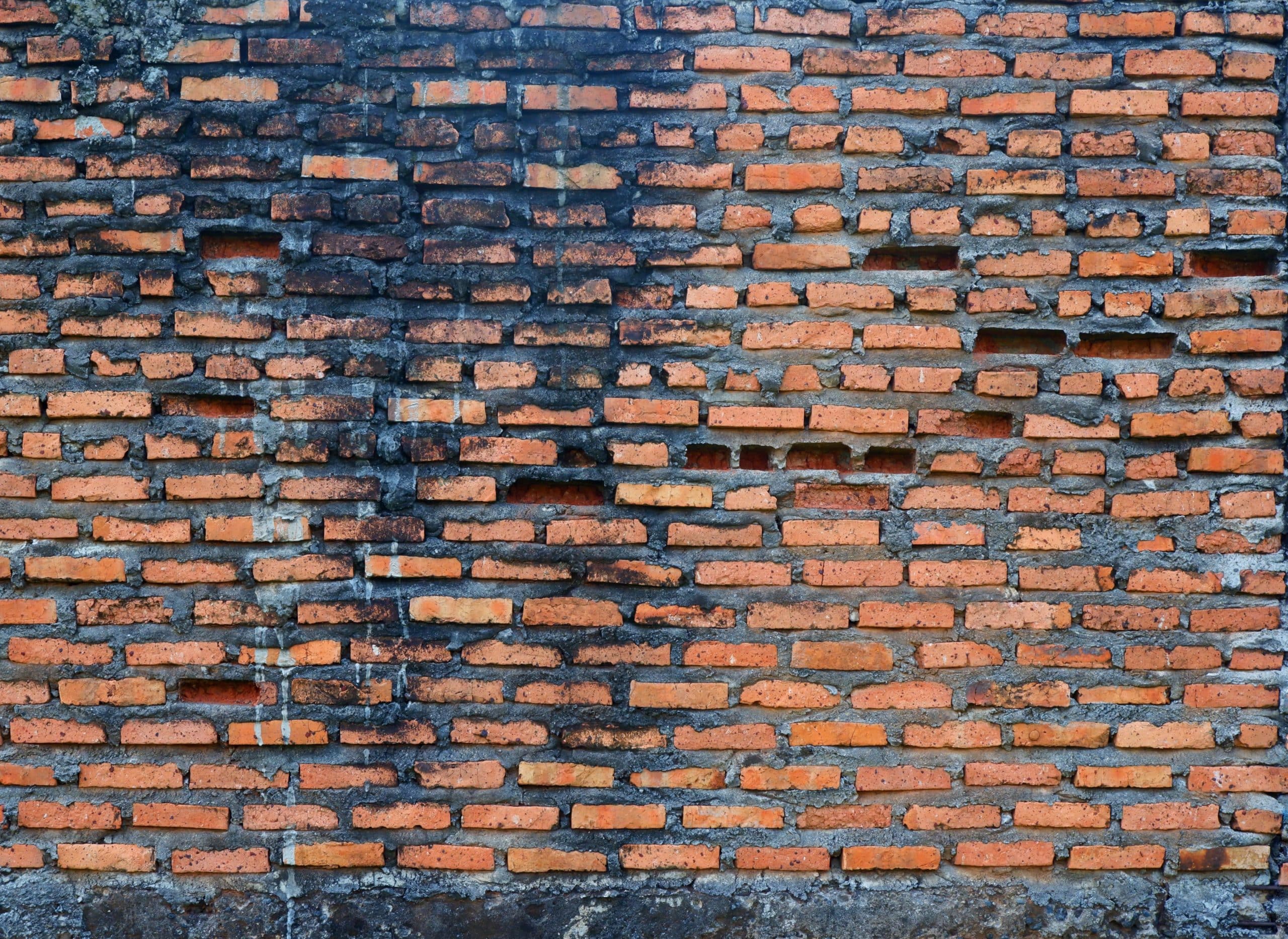
Masonry buildings are built to withstand the weather, but brick, stone and mortar are not completely waterproof. Rain can soak into porous materials, while water may also enter through cracks, failed joints, leaking gutters, or poorly detailed windows and roofs. Once inside a wall, moisture can damage finishes, corrode metal components and create conditions for mould. In cold climates, repeated freezing and thawing can cause saturated masonry to crack or flake.
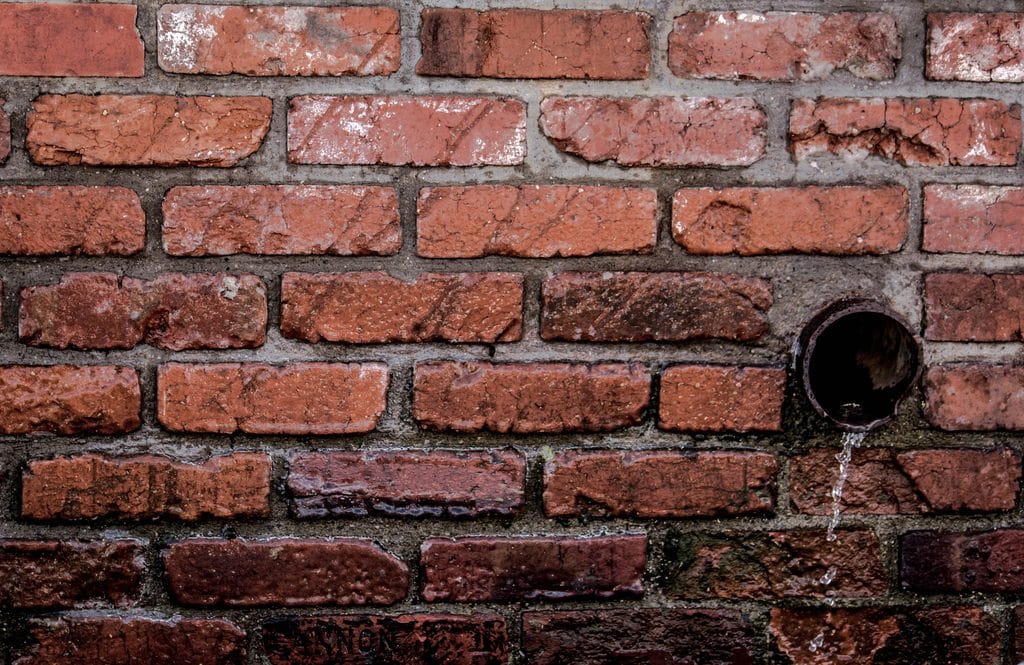
The first step in controlling moisture is finding its source. Damp patches may result from penetrating rain, plumbing leaks, condensation or moisture rising from the ground. These problems can look similar but require different solutions. A careful inspection should consider the whole building: the roof, drainage, pointing, openings, ground levels and ventilation.
Traditional buildings often rely on sound materials and simple, carefully maintained details. Lime mortar and limewash allow moisture to evaporate from the wall, while deep eaves and projecting sills help shed rain. Drip grooves on sills and copings direct water away from the masonry. Flashings above openings and at roof junctions guide water back outside. Regular maintenance of gutters, downpipes and mortar joints is essential. Where historic masonry has been repointed with hard, impermeable cement, replacing it with a compatible lime mortar may help the wall dry, though the right repair depends on the building and its exposure.
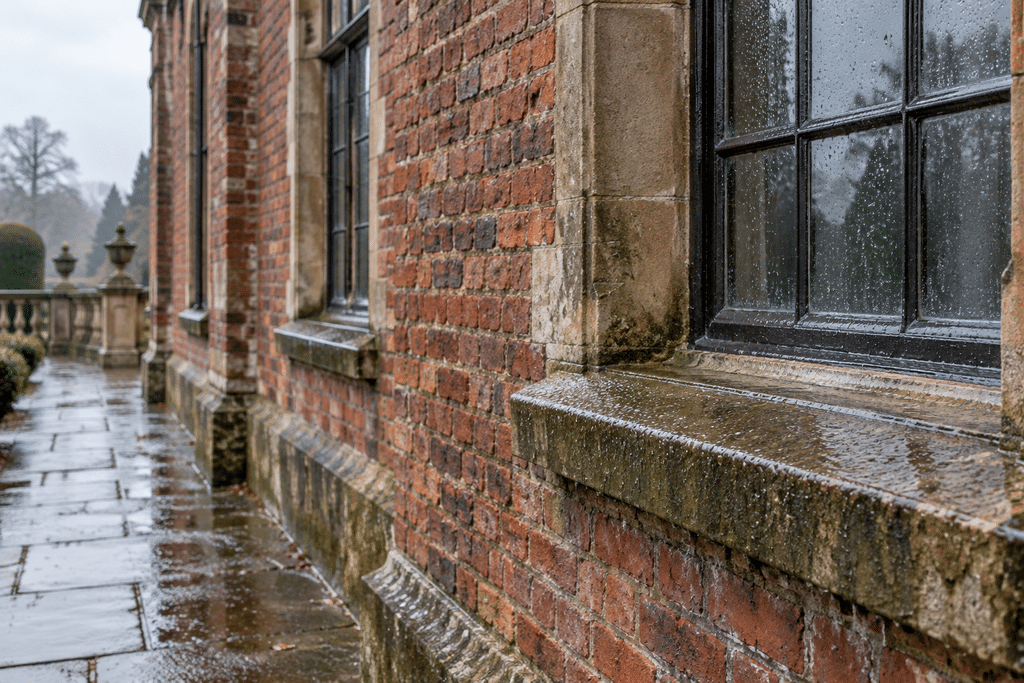
Contemporary masonry systems add layers designed to manage water. In cavity-wall construction, the outer brick layer sheds most rain, while a drained cavity provides a path for water that passes through to escape. Wall ties connect the outer and inner leaves; insulation and membranes are selected to suit the wall design. Flashings, cavity trays and weep openings carry water out above windows, doors and other interruptions in the cavity. At the base of the wall, a damp-proof course limits moisture moving upward from the ground.
These systems work only when their details are joined correctly. Blocked weep openings, missing or poorly installed flashing, mortar bridging the cavity, and incorrectly positioned insulation can all let water bypass the intended drainage route. Sealants can help at particular joints, but they are not a substitute for sound flashing, drainage and maintenance.
Moisture control is not simply a matter of sealing every surface. A building needs a reliable way to shed rain, drain water that gets past the outer layer and dry out between wetting events. Repairs should match the masonry and the cause of the damp. For older or persistently wet buildings, a qualified masonry or conservation specialist can assess the evidence and recommend repairs that protect both the structure and its historic materials.